
Most people treat sleep like optional downtime; something you squeeze in after you’ve finished everything else. That mindset is exactly why so many adults drag themselves out of bed every morning feeling tired, foggy, or painfully unmotivated.
Here’s the truth:
Sleep isn’t rest. It’s maintenance.
It’s your body’s nightly diagnostic check; your internal version of dropping your car at the garage so the system can run tests, make repairs, clear waste, and recalibrate everything before the next drive.
When you skip, shorten, or disrupt sleep, you’re basically driving a car that never gets serviced. And every morning, your body hands you a report. Most people ignore it.
How the Nightly Diagnostic Actually Works
Your body isn’t passive during sleep. It’s running a complex, structured repair sequence—far more organized than you think.

1. Stage 1–2: System Stabilization
This is the “startup phase.”
Your:
…all shift into calibration mode. These stages prepare the body for deeper repair. If you keep waking during this period (thanks to scrolling, noise, or stress), you constantly restart the diagnostic, like unplugging a device mid-update.
2. Deep Sleep: Physical Repair Mode
This is the real mechanic shop.
During deep sleep, your body:
- repairs tissues and microtears
- rebuilds muscle
- strengthens bones
- restores the immune system
- reduces inflammation
If you don’t hit enough deep sleep, expect pain, fatigue, inflammation, and constant “I’m worn out” signals.
3. REM Sleep: Mental and Emotional Reboot
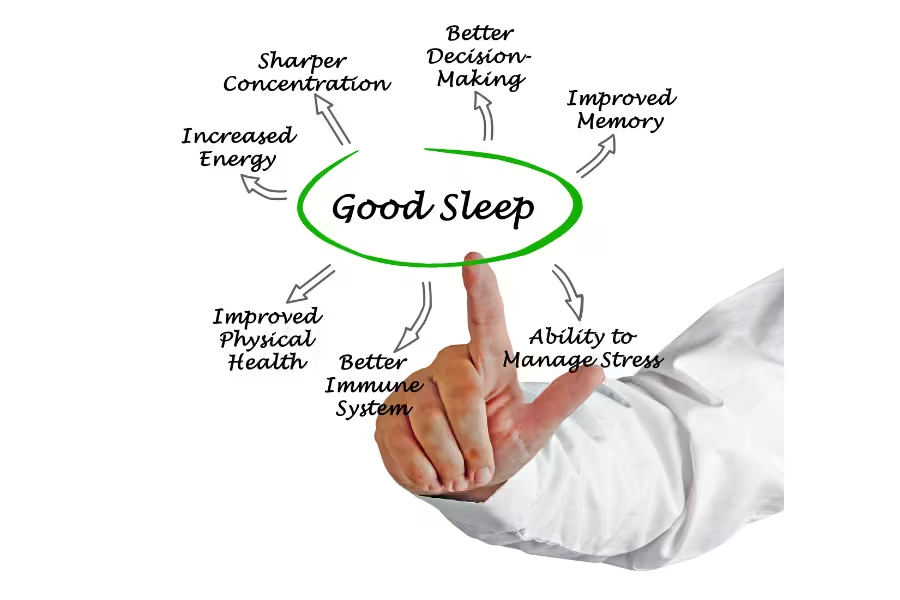
This is the software update.
- processes memories
- stabilizes emotions
- sharpens learning
- improves decision-making
- regulates mood
Miss this stage, and your next day becomes a glitchy mess.
Together, these cycles are your full overnight diagnostic. Break them, and the system keeps cracking.
Your Morning Symptoms Are the Diagnostic Report—Here’s How to Read It

People wake up tired or foggy and blame age, stress, or “maybe I need coffee.”
Wrong.
Your body already told you exactly what failed during the night.
Here’s how to interpret the signals:
1. You Wake Up Tired → Energy System Didn’t Reset
This means:
- hormone imbalances
- poor deep sleep
- elevated nighttime cortisol
- poor glucose regulation
Your body basically says, “I tried to recharge the battery, but the process was interrupted.”
2. You Have Brain Fog → REM Cycle Was Cut Short
If your mind feels slow, scattered, or “off,” your cognitive reboot failed.
Expect issues with:
- concentration
- memory
- problem-solving
- emotional control
Your brain didn’t finish its software update.
3. You’re Achy or Sore → Structural Repairs Didn’t Complete
Aches are not “normal aging.”
They’re signs of:
- insufficient deep sleep
- high inflammation
- poor muscle repair
- inadequate recovery from workouts or daily strain
You skipped the mechanic shop, so the damage carried into the next day.
4. You’re Moody, Irritable, or Unmotivated → Emotional Regulation Failed

This is classic REM deprivation.
Your brain didn’t finish the part of the diagnostic that stabilizes:
- mood
- stress response
- emotional processing
Expect emotional volatility.
5. You Have Cravings or Appetite Swings → Hormones Are Out of Sync
Sleep controls the hormones that regulate appetite:
- ghrelin (hunger)
- leptin (fullness)
- cortisol (stress)
Bad sleep = bad signals = overeating.
6. You Get Sick Easily → Immune System Maintenance Failed
Your immune system repairs itself during sleep.
Skip it, and you’ll constantly feel “run down.”
What Happens When You Ignore These Warning Lights
Running on insufficient sleep is basically ignoring the check-engine light.
Here’s what that leads to:
- chronic inflammation
- slow metabolism
- weakened immunity
- faster aging
- weight gain
- poor emotional regulation
- higher risk of injury
- decreased decision-making
- hormonal chaos
Most people feel these problems daily but rarely connect them back to the one thing breaking everything: their disrupted diagnostic cycle.
How to Improve Your Nightly Diagnostic
You don’t need complicated sleep hacks. You need consistency and discipline.
1. Protect a fixed sleep window
Go to bed and wake up at roughly the same time. This alone improves sleep quality more than any supplement.
2. Stop screens 60–90 minutes before bed
Blue light and stimulation block your diagnosis from even starting.
3. Avoid caffeine after noon
If you need multiple cups to function, your system is already compromised.
4. Keep your room cool, dark, and quiet
Your body can’t run deep repairs if the environment fights it.
5. Build a wind-down routine
Stretching, reading, breathing—doesn’t matter.
Your brain needs a runway, not a crash landing.
Your Morning Symptoms Don’t Lie
If you’re waking up heavy, sore, foggy, or irritable, your body isn’t “just tired”, it’s handing you a diagnostic report of everything that wasn’t repaired overnight.
Read the symptoms.
Fix the sleep.
Let your system do the job it was designed for.
Sleep isn’t optional rest.
It’s required maintenance and your longevity depends on it.
FAQs About Sleep, Recovery, and Health
1. Does your body need sleep or just rest?
Your body needs sleep, not just rest. Rest may relax your muscles, but it doesn’t trigger the deep repair, hormonal resets, brain cleaning, immune strengthening, or metabolic recalibration that only happen during real sleep. Rest is idling. Sleep is the full diagnostic and repair cycle.
2. How do you get rid of brain fog from sleep deprivation?
Fixing brain fog requires restoring REM sleep, because that’s the stage responsible for memory, clarity, emotional balance, and cognitive processing. Practical steps: sleep 7–9 hours, set a strict bedtime, cut screens 1 hour before bed, hydrate, avoid caffeine after noon, and get morning sunlight. Supplements won’t fix this if the sleep cycles remain broken.
3. Can your brain fully recover from sleep deprivation?
Yes—but only if the deprivation is short-term. Your brain can rebound after a few nights of deep and REM-rich sleep. Chronic deprivation, though, leads to long-term issues like weakened memory, emotional instability, inflammation, slower cognition, and hormonal disruption. You can recover, but you can’t “make up” weeks of lost sleep in a single weekend.
4. What is the 123 sleep rule?
It’s a simple wind-down routine:
- 1 hour before bed: stop screens and bright light
- 2 hours before bed: avoid heavy meals
- 3 hours before bed: stop caffeine and intense exercise
It’s not magic—it just clears the path for your sleep diagnostic to start on time.
5. What causes lack of restful sleep?
Restless or low-quality sleep comes from broken sleep cycles. Common triggers include:
- stress or high nighttime cortisol
- screen exposure before bed
- inconsistent sleep times
- caffeine late in the day
- alcohol
- chronic pain
- overheating
- sleep disorders (sleep apnea, insomnia)
If you wake up tired even after “sleeping,” one or more stages of the diagnostic—deep sleep or REM—were interrupted.
6. What is it called when you sleep but don’t feel rested?
That’s non-restorative sleep. It happens when your sleep cycles are shallow, fragmented, or missing the deep repair stages. You technically slept, but your body never completed the maintenance it needed.
7. What are the symptoms of extreme sleep deprivation?
At the severe level, the body starts failing multiple systems. Signs include:
- intense fatigue
- confusion or disorientation
- memory lapses
- mood instability or irritability
- slowed reflexes
- hallucinations
- micro-sleeps (your brain shuts off for seconds)
- weakened immunity
- increased inflammation
These are emergency-level warning signs that your system is breaking down.
8. How much deep sleep do you need?
Most adults need 1.5 to 2.5 hours of deep sleep every night. This is the minimum amount the body needs for physical repair, tissue rebuilding, immune strengthening, and inflammation control.
9. How much deep sleep do you need by age?
Deep sleep naturally decreases with age, but you still need enough to maintain repair. General guideline:
- Teens (13–19): 2–3 hours
- Adults (20–40): 1.5–2.5 hours
- Middle age (40–60): 1–2 hours
- Seniors (60+): 45 minutes–1.5 hours
Your diagnostic still runs, it just operates with slightly shorter cycles as you age.
10. Can I be healthy without sleep?
No. Going without sleep damages your brain, metabolism, immune system, hormones, mood, and cardiovascular health. You can survive short-term exhaustion, but long-term sleep loss destroys system function. No diet, supplement, or workout compensates for missing sleep.
11. What organ is affected by lack of sleep?
All of them, but the brain takes the hardest hit. Sleep loss affects cognitive function, memory, emotional regulation, and toxin clearance. But other organs suffer too: the heart, pancreas, immune system, and endocrine system all break down when the diagnostic cycles are repeatedly skipped.
12. What is a dangerously low amount of sleep?
Anything below 5 hours per night is considered dangerous. At this level, your reaction times, decision-making, hormone regulation, and immune function fall apart. Blood sugar spikes, inflammation rises, and the risk of accidents skyrockets. Below 4 hours, the body enters emergency mode.


