Standing up to speak at a celebration of life can feel intimidating. You want to honor someone sincerely, but the pressure to “say the right thing” often makes people freeze, overthink, or default to vague statements that don’t truly reflect the person being remembered.
A celebration of life isn’t about delivering a perfect speech. It’s about sharing meaning in a way that feels honest, respectful, and emotionally appropriate for the moment. Knowing what to say at a celebration of life starts with understanding the purpose of the gathering and how it differs from more traditional services.
If you’re still unsure how a celebration of life compares to other memorial formats, this guide on memorial service vs. celebration of life provides helpful context before you plan your words.
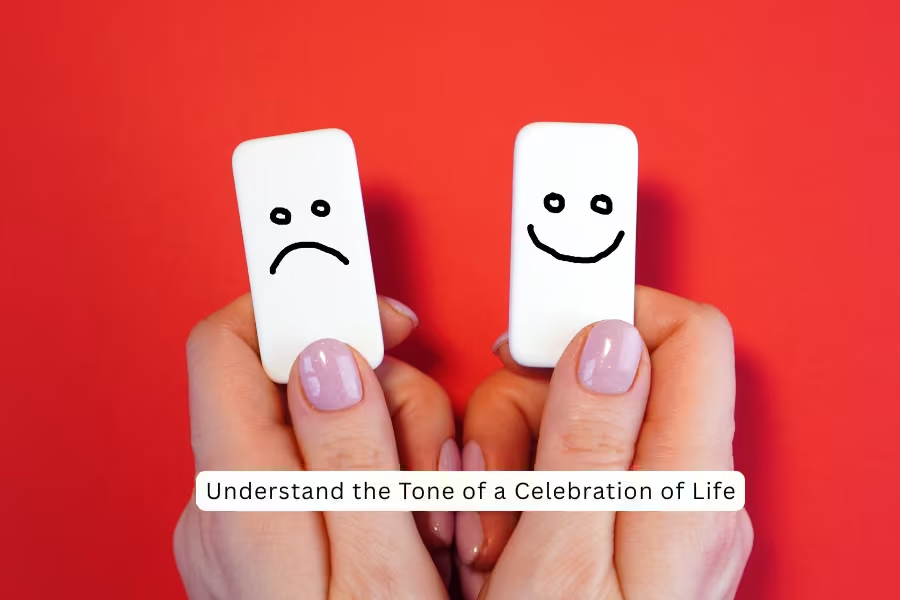
Understand the Tone of a Celebration of Life
A celebration of life focuses on who the person was, not the circumstances of their passing. That doesn’t mean grief is excluded, but it isn’t the centerpiece.
Before writing or speaking, it helps to keep these principles in mind:
- The tone is reflective, not somber
- Personal stories matter more than formal language
- Authentic emotion is welcome, but performative grief is not
- Simplicity often lands better than eloquence
If the event is thoughtfully planned, the environment itself usually signals the tone. Music, setting, and shared activities often guide what feels appropriate to say.
For inspiration on how these events are typically structured, this article on celebration of life ideas shows how words fit into the larger experience.
Start With a Simple Opening
You don’t need a powerful hook or poetic introduction. In fact, trying too hard at the beginning often makes nerves worse.
A simple opening works best:
- A brief acknowledgment of why everyone is gathered
- A sentence that names your connection to the person
- A calm, grounded tone
Examples of effective openings:
- “I’m grateful to be here today to remember someone who meant a great deal to many of us.”
- “I want to share a few words about someone who left a lasting impression on my life.”
Avoid dramatic statements or apologies for being emotional. They draw attention away from the person being honored.
Focus on One or Two Meaningful Themes
One of the biggest mistakes people make is trying to summarize an entire life in a few minutes. That’s impossible—and unnecessary.
Instead, choose one or two themes that represent the person well:
- Their generosity
- Their sense of humor
- Their values or passions
- The way they made people feel
Build your words around those themes rather than a timeline of events. This keeps your message focused and relatable.
Share a Specific Memory or Example
General praise feels polite but forgettable. Specific moments create connection.
A brief story or example works well if it:
- Highlights the person’s character
- Is easy for others to recognize or relate to
- Avoids embarrassing or overly private details
You don’t need a dramatic story. Small moments often carry the most meaning because they feel real.
If you’re worried about crossing a line, ask yourself whether the person would be comfortable with the story being shared publicly. If the answer is uncertain, choose something simpler.
Keep the Focus on the Person, Not the Loss
A celebration of life isn’t the place to describe grief in detail or focus heavily on the pain of losing someone. That doesn’t mean avoiding emotion altogether, but it does mean keeping the emphasis balanced.
Helpful framing includes:
- How the person impacted others
- What they taught or modeled
- How their presence will continue to matter
Avoid extended reflections on regret, unresolved issues, or the circumstances of their death. Those moments belong in private conversations, not a shared gathering.
It’s Okay to Be Emotional, But Don’t Apologize for It
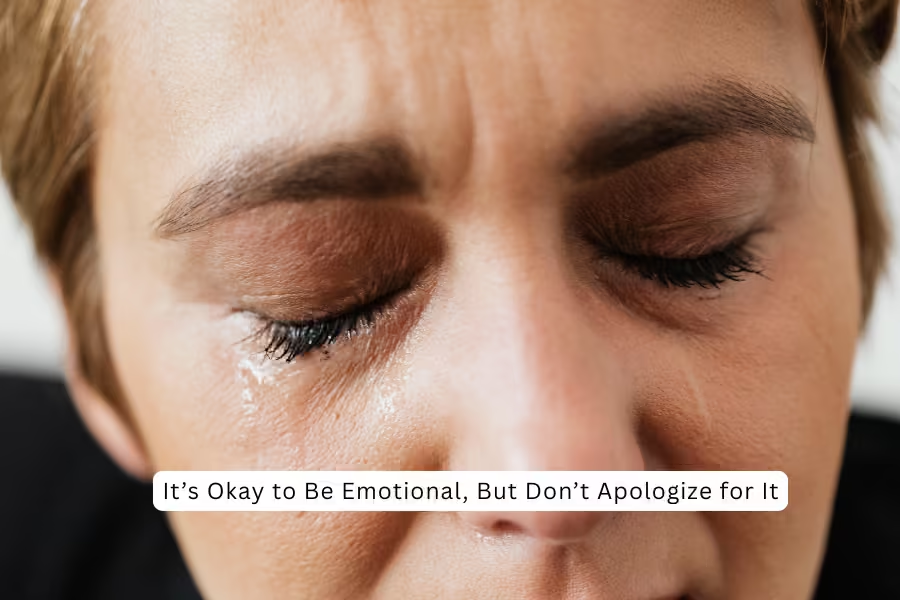
Emotion is natural at a celebration of life. Pausing, taking a breath, or even showing tears doesn’t weaken your words.
What often does weaken them is repeatedly apologizing or drawing attention to emotion. A brief pause is enough. People understand.
Shorter speeches also help manage emotion. Two to three minutes is often more powerful than five or six.
How to End Your Words Gracefully
Endings don’t need to be grand or conclusive. A gentle closing works best.
Consider:
- A simple thank-you
- A final reflection on the person’s legacy
- A sentence that brings people back to shared remembrance
Examples:
- “Thank you for being here today and for continuing to carry their memory forward.”
- “They may be gone, but the impact they had on all of us remains.”
Avoid trying to tie everything up neatly. Meaning doesn’t require resolution.
What to Avoid Saying at a Celebration of Life
Even with good intentions, certain phrases tend to land poorly:
- Overly religious statements when the gathering is secular
- Jokes that rely on sarcasm or shock
- Long apologies for being unprepared
- Comparisons between grief or loss
When in doubt, simplicity is safer than cleverness.
If You’re Writing Instead of Speaking
Not all celebrations of life involve speeches. Some include written tributes, memory cards, or messages shared privately.
The same principles apply:
- Keep language clear and natural
- Focus on who the person was
- Avoid clichés and stock phrases
Short, sincere messages often mean more than polished paragraphs.
Now You Know What to Say at a Celebration of Life
Knowing what to say at a celebration of life isn’t about finding the perfect words. It’s about choosing words that feel honest, respectful, and aligned with the purpose of the gathering.
When you focus on meaning instead of performance, what you say naturally resonates. And that’s what people remember long after the event ends.